
insert_link
share
close
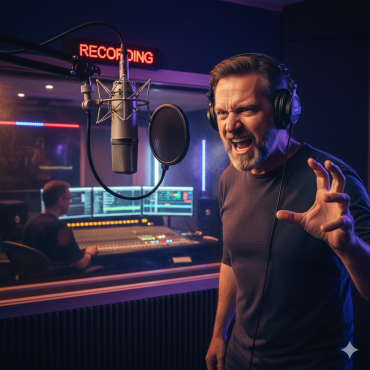
🎭 چگونه با تغییر تن صدا، شخصیتهای مختلف خلق کنیم؟
🎙️ آموزش غیرحضوری و آنلاین گویندگی و فن بیان به زبان فارسی، ویژهی فارسیزبانان سراسر دنیا. از پایه تا حرفهای، استودیو صداهای همراه
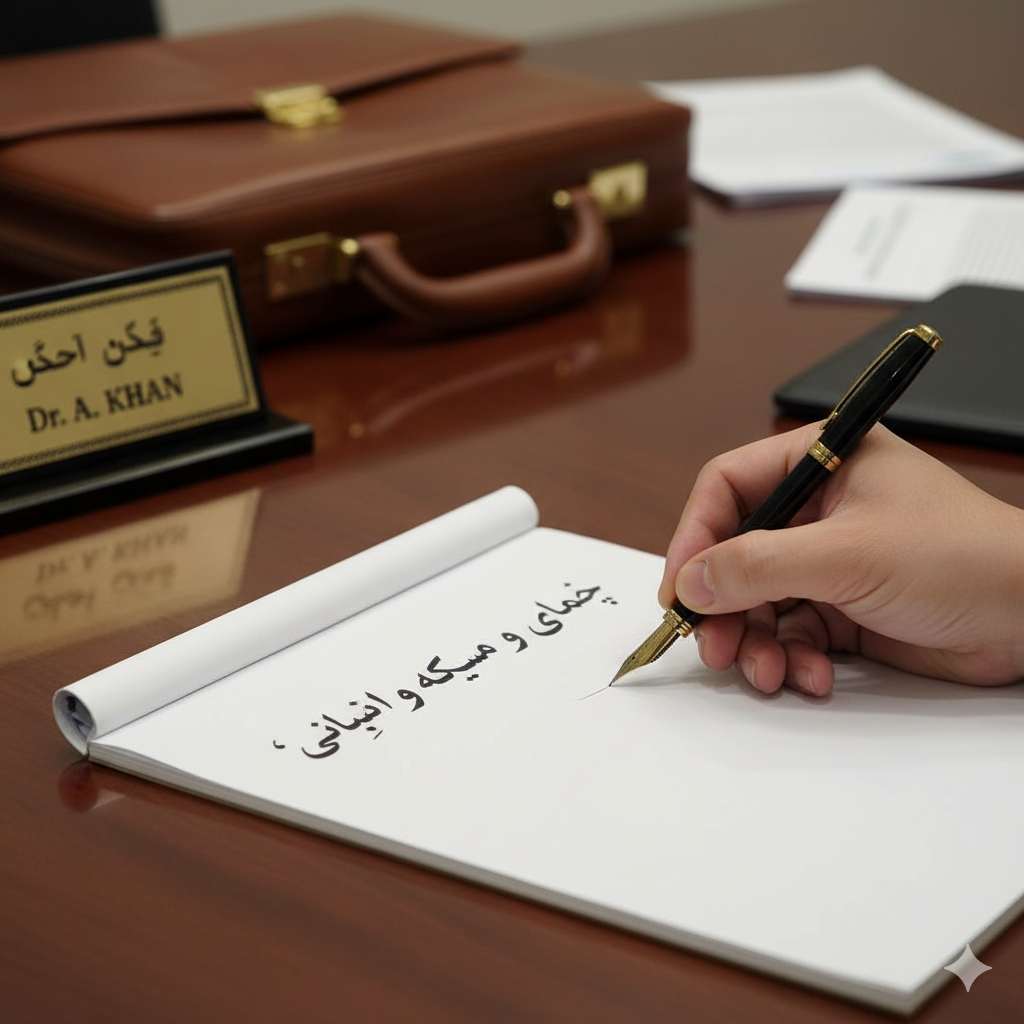
🎓Speaking Persian and Speak confidently in global classrooms, meetings, or events. Master the shift from conversational Farsi to the formal, respected tone of professional Persian communication. For many in the diaspora, Persian skills are rooted in the colloquial and familial (محاورهای – mohāver-eyi). But when entering academic, diplomatic, or business settings—even internationally—you must master the formal written and spoken style (کتابی – ketābi or رسمی – rasmi) to be taken seriously and communicate with precision.
This shift is more than just vocabulary; it’s about respect, grammar, and professionalism.
Professional Persian communication requires reverting to forms that are often dropped or simplified in daily conversation. Speaking Persian
| Feature | Colloquial/Home (محاورهای) | Formal/Professional (رسمی) | Tip for Switching |
| Verbs | Uses simplified spoken roots (e.g., mīram – میرم) | Reverts to the written, full conjugation (e.g., mīravam – میروم) | Consciously use the full ‘v’ and ‘d’ in present/past endings. |
| The Verb ‘To Be’ | Often reduced (e.g., khūbas – خوبه) | Uses the full verb form (e.g., khūb ast – خوب است) | Never drop the ‘t’ in ast and keep the full verb forms. |
| Pronouns/Articles | The object marker را (rā) is often simplified to رو (ro) or و (o). | Always use the full را (rā). | The written form is a sign of respect for the language structure. |
| Vocabulary | Uses simple, common words. | Incorporates more Arabic-derived and abstract terms (e.g., bār-e digar instead of dūbare for “again”). | Read Persian news (e.g., BBC Persian) to internalize the official lexicon. |
In international settings, your Persian is not just a language—it’s a representation of culture.
Mastering professional Persian ensures that your proficiency opens doors for you, allowing your cultural and intellectual contributions to shine on the world stage.
Ready to achieve perfect accent harmony? Follow us for accent balancing drills, and specialized coaching designed for the bilingual Persian speaker!
http://www.youtube.com/@accvstudiorecordingstudio1742https://www.aparat.com/Accvstudiohttps://www.instagram.com/accvstudio/https://t.me/accompanimentvoicesstudioGet in Touch:
For direct inquiries about our accent coaching, pronunciation workshops, and resources for maintaining native-level linguistic skills, please use the contact information provided on our social media channels. 📞
با استودیو صداهای همراه در ارتباط باشید
وب سایت رسمی: www.accvs.com
شماره تلفن ثابت: 02634403131
شماره تلفن همراه: 09370937825
صفحه اینستاگرام: accvstudio@
🎙️ آموزش غیرحضوری و آنلاین گویندگی و فن بیان به زبان فارسی، ویژهی فارسیزبانان سراسر دنیا. از پایه تا حرفهای، استودیو صداهای همراه


ارسال نظر (0)